Many hockey organizations approach volunteer recruitment the same way every season.
Registration opens.
Roles need to be filled.
Emails are sent.
Help is requested.
A small group of people steps forward.
The season begins.
While this approach may solve immediate needs, it rarely creates long-term stability.
Strong organizations understand that volunteer recruitment should not be a seasonal activity.
It should be a continuous leadership priority.
Waiting Creates Pressure
Recruitment becomes more difficult when it begins after vacancies already exist.
Urgency increases.
Options become limited.
Leadership may feel forced to accept whoever is available.
This situation often leads to burnout because the same people continue carrying most of the workload.
A year-round approach creates more flexibility and more opportunities to engage potential volunteers before positions become critical.
Relationships Drive Recruitment
People rarely volunteer because of a mass email.
Most become involved because someone asked them personally.
A conversation creates interest.
relationship creates trust.
positive experience creates confidence.
Organizations that build strong relationships throughout the year often find volunteer recruitment much easier than those relying solely on announcements and requests.
Small Roles Can Lead to Bigger Contributions
Not every volunteer wants a major responsibility immediately.
Many people prefer to start small.
Helping at an event.
Assisting with a tournament.
Supporting a short-term project.
These opportunities allow individuals to become comfortable with involvement before accepting larger commitments.
A gradual pathway often produces stronger long-term engagement.
Positive Experiences Attract More Volunteers
Word travels quickly within hockey communities.
Families talk.
Coaches talk.
Volunteers talk.
When people enjoy their experience, they are more likely to recommend involvement to others.
On the other hand, negative experiences make recruitment significantly harder.
Volunteer retention and volunteer recruitment are closely connected because one directly influences the other.
Leadership Should Always Be Looking Ahead
Future volunteers are often already present within the organization.
Parents attending games.
Family members helping occasionally.
Community supporters participating in events.
Strong leaders pay attention to individuals who demonstrate reliability, enthusiasm, and commitment.
Identifying potential volunteers early creates opportunities for future growth.
Recognition Supports Recruitment
Appreciation does more than improve morale.
It also strengthens recruitment efforts.
People notice how volunteers are treated.
They notice whether contributions are valued.
They notice whether leadership shows gratitude.
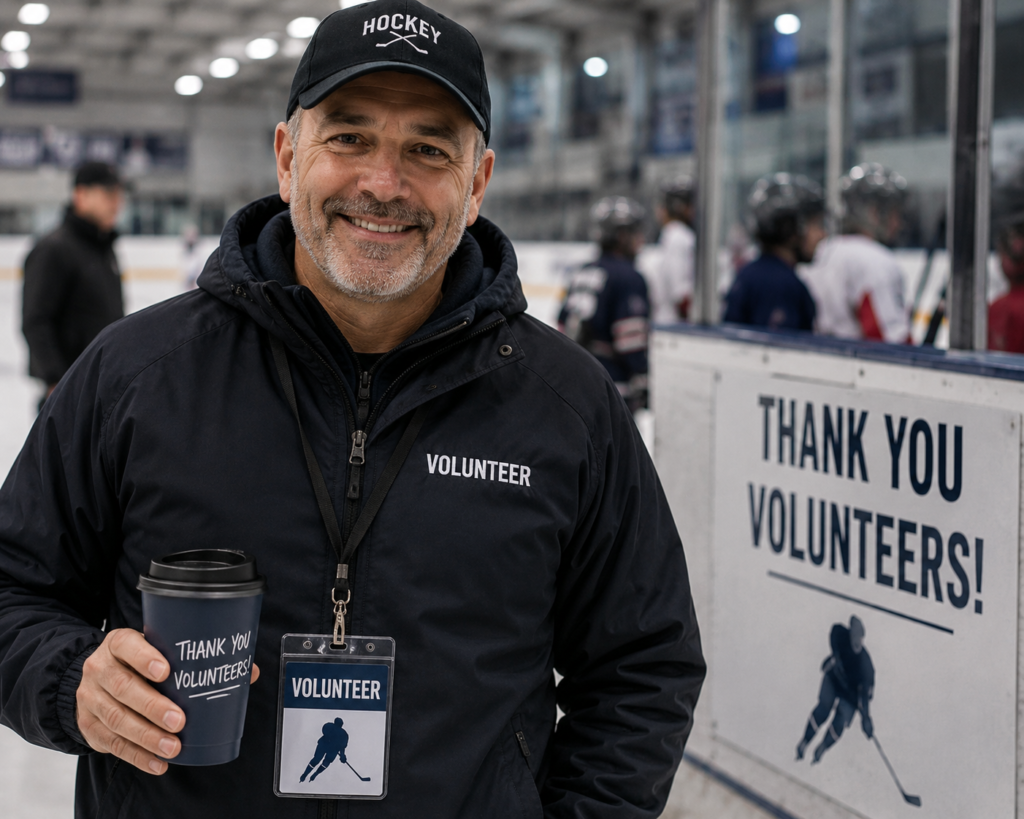
An organization that visibly appreciates volunteers creates a more attractive environment for future participation.
Development Encourages Retention
Recruitment is only the first step.
Support matters.
Training matters.
Mentorship matters.
Volunteers who feel prepared and supported are more likely to remain involved.
As confidence grows, so does the willingness to take on additional responsibilities.
Organizations that invest in development often build stronger volunteer pipelines.
Final Leadership Reality
Volunteer shortages rarely appear suddenly.
They usually develop when recruitment, retention, and leadership development receive insufficient attention over time.
Organizations that treat volunteer recruitment as a year-round responsibility create a significant advantage.
Relationships become stronger.
Leadership pipelines become deeper.
Transitions become smoother.
Most importantly, the organization becomes less dependent on a small group of individuals carrying the entire load.
One-Line Truth:
The best time to recruit your next volunteer is before you desperately need one.
This article is part of the Foundations of Modern Hockey Leadership series.
About The Hockey Resource
The Hockey Resource exists to help players, parents, coaches, teams, leagues, tournaments, and hockey organizations make better decisions through education, leadership, and community-focused resources.
For additional hockey leadership articles, hockey parent resources, tournament information, and industry insights, visit:
The Hockey Resource – https://thehockeyresource.com
The Hockey Tournament Resource – https://thehockeytournamentresource.com
Mark Hetherman
Executive Director
The Hockey Resource