
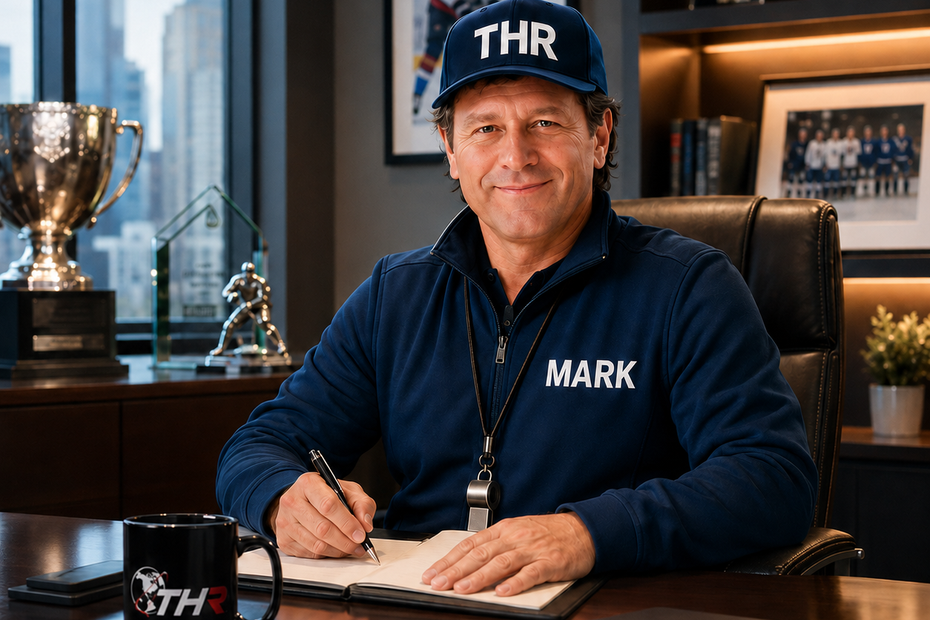
Retirement from coaching a Team should not mean retirement from Hockey.
Veteran Hockey Coaches may no longer want late-night practices, weekend travel, parent conflict, roster decisions, or responsibility for an entire season. However, they still hold decades of practical knowledge that younger Coaches need.
When experienced Coaches leave completely, Hockey loses more than another volunteer. It loses judgment, leadership, history, and lessons that may have taken 20 years to learn.
Strong Organizations create meaningful ways for that experience to remain in the game.
Why Veteran Hockey Coaches Matter
Certification introduces Coaches to important principles, expectations, and responsibilities. Nevertheless, many difficult coaching decisions cannot be solved by reading a manual.
How should a Coach handle an unhappy parent?
When does a struggling Player need encouragement rather than correction?
What should happen when two Players damage the Team culture?
How can a Coach regain control of a dressing room without embarrassing a child?
Experienced Coaches have often faced these situations before. Therefore, their knowledge can help newer Coaches make better decisions and avoid preventable mistakes.
1. Create a Formal Coach-Mentoring Role
Assign each new or developing Coach an experienced mentor.
The veteran Coach can schedule regular conversations, answer questions, and help the newer Coach think through difficult situations. However, the mentor should provide guidance without taking control of the Team.
A clear role description prevents confusion. It also protects the authority of the active Head Coach.
2. Invite Veterans to Observe Practices
An experienced Coach can notice details that busy Team staff may miss.
For example, a practice observer might identify excessive standing, unclear instructions, weak drill progression, or Players who rarely receive feedback.
Afterward, the observer should offer private, constructive recommendations. The purpose is development—not judgment.
3. Use Veterans as Specialty Instructors
Some former Coaches possess advanced knowledge in specific areas.
Skills may include:
- Power-play structure
- Penalty killing
- Faceoffs
- Defensive positioning
- Goalie development
- Practice planning
- Dressing-room leadership
- Parent communication
Rather than asking one person to commit to an entire season, the Organization can invite that Coach to lead occasional learning sessions.
This approach respects the veteran’s available time while giving current Coaches practical support.
4. Build a Coach Advisory Group
A small advisory group can help an Organization review its overall coaching system.
Members might examine Coach recruitment, selection, onboarding, development, evaluation, and retention. In addition, the group can identify recurring problems across several Teams.
Advisors should not interfere with everyday Team decisions. Instead, they should help leadership improve the structure surrounding every Coach.
5. Involve Veterans in New-Coach Onboarding
New Coaches need more than schedules, policies, and contact lists.
Before the season begins, veteran Coaches can explain the Organization’s standards and share realistic examples. They may also discuss practice preparation, communication boundaries, Player development, and common first-year mistakes.
As a result, new Coaches begin the season with greater confidence and clearer expectations.
6. Ask Experienced Coaches to Lead Case Discussions
Real coaching situations create powerful learning opportunities.
An Organization could hold a monthly session built around one practical question:
- A parent demands more ice time. What should the Coach do?
- The Team continues losing. How should development be measured?
- A talented Player repeatedly disrespects teammates. What happens next?
- Two assistant Coaches disagree during games. Who resolves the conflict?
Veteran Coaches can guide the discussion without pretending that every situation has one simple answer. As a result, current Coaches learn how experienced leaders evaluate context, consequences, and competing priorities.
7. Respect Their Time and Experience
Keeping veteran Hockey Coaches involved does not mean asking them to accept another exhausting volunteer position.
Offer defined responsibilities, reasonable schedules, and clear start and finish dates. When financially possible, provide an honorarium for specialized or ongoing work.
Recognition also matters. Therefore, explain how their contribution supports Coaches, Players, and the entire Organization.
A respected veteran is more likely to stay involved than someone contacted only when a problem appears.
Mentors Must Support—Not Undermine
A veteran Coach should never become a second Head Coach operating from the stands.
The active Coach must retain authority over the Team. Meanwhile, the mentor provides perspective, asks thoughtful questions, and offers private guidance.
Clear boundaries protect both people. They also prevent Players and parents from bypassing the current coaching staff.
Coach Development Requires Organizational Leadership
Hockey frequently asks Coaches to complete certification and then manage the season largely alone.
That is not a complete development system.
Players receive practices, feedback, repetition, and correction throughout the year. Coaches deserve continuing development as well.
Veteran Hockey Coaches can provide that support. However, Organizations must create the roles, expectations, and structure that allow their experience to matter.
Keep Experience in Hockey
Every retiring Coach represents years of lessons that should not disappear.
Some may mentor one new Coach. Others might observe practices, lead workshops, advise leadership, or help resolve difficult situations.
Not everyone will want to remain involved. Nevertheless, Hockey should always provide the invitation and a meaningful path.
A COACH MAY RETIRE FROM A TEAM. THEIR EXPERIENCE SHOULD NOT RETIRE FROM HOCKEY.™
Presented by Coach Leadership™ and The Hockey Resource™
As always, thank you for being part of The Hockey Resource Community.
AMAZON Hockey https://thehockeyresource.com/hockey-products-amazon/
NEW Tournament Search APP
https://play.google.com/store/apps/details?id=com.hockeyresource.hockeytournamentapp&hl=en_CA&pli=1
NEW!!! The Hockey Moments Cards
GUMROAD – eBooks
https://thehockeyresource.gumroad.com
SEE My Interview with the Mental Health Academy
https://thehockeyresource.com/category/blog/hockey-career-starts-here
SEE My Interview on Podcast with Constant Sports
https://www.youtube.com/watch?v=_8VJUTfAGp