

One of the most destructive forces in hockey organizations:
unnecessary emotional drama.
Drama drains:
- leadership energy
- volunteer energy
- coach focus
- parent trust
- and player enjoyment
Yet many organizations unintentionally feed drama constantly through:
- emotional leadership
- gossip
- unclear communication
- political behavior
- reactive decision-making
- and lack of structure
Strong organizations understand:
healthy environments feel:
- calmer
- clearer
- more stable
- and emotionally safer
Not:
constantly tense and emotionally noisy.
WHAT “DRAMA” ACTUALLY LOOKS LIKE
Drama is not:
healthy disagreement.
Drama is:
emotionally amplified instability.
Examples:
- gossip spreading constantly
- emotional overreaction
- social media conflict
- parent politics
- emotional leadership reactions
- hallway speculation
- emotional alliances
- public frustration
- and unnecessary escalation over normal hockey situations
Drama creates:
emotional exhaustion.
It slowly shifts focus away from:
development and culture —
toward:
emotion management.
IN SIMPLE TERMS
Healthy organizations solve problems.
Unhealthy organizations emotionally circulate problems constantly.
THE BIGGEST DRAMA FAILURE IN HOCKEY
Many organizations accidentally reward:
emotionally loud behavior.
Examples:
- reacting fastest to emotional pressure
- changing decisions because of panic
- allowing gossip culture
- avoiding accountability to avoid conflict
- or letting emotional personalities control atmosphere
This teaches:
emotion creates influence.
That weakens:
structure and trust immediately.
IMPORTANT REALITY
Drama spreads fastest in environments where:
clarity and structure are weak.
THE ROLE OF COMMUNICATION
Strong communication dramatically reduces:
organizational drama.
Healthy communication is:
- proactive
- respectful
- structured
- clear
- and emotionally disciplined
Weak communication creates:
- assumptions
- speculation
- emotional guessing
- and rumor culture
Strong organizations communicate early enough to prevent:
emotional confusion from spreading.
THE DANGER OF GOSSIP CULTURE
Gossip is one of the fastest ways to damage:
- trust
- culture
- and emotional safety
Gossip culture creates:
- division
- suspicion
- emotional insecurity
- and political behavior
Strong organizations discourage:
- hallway speculation
- side conversations
- and emotional rumor systems
Leadership must model:
professional discretion consistently.
IN SIMPLE TERMS
People should solve concerns through:
healthy communication.
Not:
through emotional side conversations.
THE ROLE OF LEADERSHIP TONE
Leadership emotional tone shapes:
organizational atmosphere immediately.
If leaders:
- panic
- overreact
- complain publicly
- gossip
- or emotionally escalate situations
the organization absorbs:
that instability quickly.
Strong leaders:
- lower emotional temperature
- maintain perspective
- and stabilize situations calmly
This reduces:
organizational drama dramatically.
IMPORTANT REALITY
People emotionally copy:
leadership behavior more than leadership instructions.
THE ROLE OF PROCESS
Drama often grows where:
process is unclear.
Examples:
- unclear tryout systems
- undefined complaint pathways
- inconsistent accountability
- vague communication
- and emotional decision-making
Strong organizations reduce drama through:
visible process.
Structure creates:
emotional stability.
Weak structure creates:
emotional speculation.
THE DANGER OF SOCIAL MEDIA CULTURE
Modern hockey organizations must understand:
social media amplifies:
- emotion
- conflict
- gossip
- and reaction
Strong organizations reinforce:
professional communication expectations both:
online and offline.
Leaders,
coaches,
and families
must understand:
public emotional behavior affects:
organizational trust and culture directly.
THE ROLE OF PARENTS IN DRAMA CULTURE
Parents heavily influence:
organizational emotional atmosphere.
Strong organizations educate parents about:
- communication pathways
- emotional discipline
- perspective
- and respectful conflict management
Unhealthy parent environments often create:
- comparison culture
- emotional speculation
- and political tension
Strong organizations reduce:
parent drama proactively.
IN SIMPLE TERMS
Emotion spreads quickly in hockey communities.
Leadership must manage:
the emotional environment intentionally.
THE ROLE OF EMOTIONAL MATURITY
Emotionally mature leadership reduces:
drama naturally.
Strong leaders:
- pause before reacting
- avoid emotional escalation
- stay solution-focused
- and maintain professionalism during pressure
Emotionally immature leadership feeds:
drama constantly through:
- defensiveness
- emotional reactions
- public frustration
- and impulsive communication
Emotional maturity stabilizes:
organizations.
THE DANGER OF “ENTERTAINMENT CONFLICT”
Some organizations unconsciously become:
addicted to emotional intensity.
Examples:
- constant controversy
- emotional group chats
- public complaints
- leadership drama
- and nonstop speculation
People begin spending more energy:
talking about problems
than solving them.
Strong organizations intentionally reduce:
emotional noise.
IMPORTANT REALITY
Constant drama exhausts:
good people quietly.
THE ROLE OF CLARITY
Clarity reduces:
emotional speculation.
Strong organizations clarify:
- expectations
- timelines
- communication pathways
- leadership authority
- and organizational standards
Confused environments create:
emotionally reactive environments.
Clarity creates:
calmer organizations.
THE ROLE OF ACCOUNTABILITY
Strong organizations address:
drama-producing behavior early.
Examples:
- disrespectful communication
- gossip
- emotional outbursts
- toxic parent behavior
- leadership instability
- and public conflict
Weak organizations tolerate:
small unhealthy patterns until:
drama becomes normalized culturally.
Healthy accountability protects:
organizational calmness.
IN SIMPLE TERMS
What leadership tolerates repeatedly eventually becomes:
the emotional personality of the organization.
THE ROLE OF CULTURE
Healthy cultures reinforce:
- calmness
- professionalism
- respect
- emotional stability
- and direct communication
Toxic cultures reinforce:
- gossip
- politics
- emotional escalation
- blame
- and constant tension
Culture determines:
whether the organization feels:
stable
or
emotionally exhausting.
THE DANGER OF “EVERYTHING IS A CRISIS”
Some organizations emotionally escalate:
every issue.
Examples:
- minor concerns becoming major battles
- emotional reactions to normal hockey adversity
- panic over roster movement
- emotional leadership meetings
- and constant urgency
Strong organizations maintain:
perspective.
Not every problem deserves:
maximum emotional intensity.
Perspective protects:
organizational stability.
IMPORTANT REALITY
Calm organizations make:
better decisions.
THE ROLE OF LEADERSHIP UNITY
Drama grows rapidly when leadership:
- contradicts each other
- undermines decisions
- or emotionally divide publicly
Strong leadership groups:
- align internally
- discuss disagreements professionally
- and communicate organizationally with consistency
Leadership unity reduces:
organizational instability dramatically.
THE ROLE OF ENERGY PROTECTION
Drama consumes:
emotional energy.
Strong organizations intentionally protect:
the emotional energy of:
- players
- coaches
- volunteers
- families
- and leadership itself
Because energy spent on:
drama and emotional chaos
is energy removed from:
development,
culture,
and organizational growth.
IN SIMPLE TERMS
Strong organizations conserve emotional energy for:
what truly matters.
THE ROLE OF LONG-TERM THINKING
Healthy organizations ask:
- Are we feeding emotional noise?
- Are we reacting or leading?
- Are systems reducing drama?
- What behavior is creating instability?
- What communication gaps are fueling speculation?
Strong organizations solve:
root causes —
not just emotional symptoms.
THE MOST IMPORTANT DRAMA QUESTION
Leadership should constantly ask:
“Does this environment emotionally calm people —
or emotionally agitate them?”
That question reveals:
organizational health immediately.
THE HARD TRUTH ABOUT DRAMA IN HOCKEY
Many organizations unintentionally normalize:
- emotional tension
- gossip
- overreaction
- and constant instability
while believing:
“This is just part of hockey culture.”
No.
That is:
unhealthy organizational leadership.
Strong organizations intentionally create:
calmer,
clearer,
more emotionally mature environments.
HOW STRONG ORGANIZATIONS REDUCE DRAMA
Strong organizations:
- communicate proactively
- reinforce professionalism
- reduce gossip culture
- maintain emotional discipline
- align leadership internally
- address unhealthy behavior early
- and prioritize clarity over emotional reaction
Over time:
the organization begins feeling:
- calmer
- healthier
- more focused
- and more emotionally stable
That becomes:
organizational trust and sustainability.
FINAL PRINCIPLE — REDUCE DRAMA
Strong hockey organizations understand:
their responsibility is not:
to create emotional intensity around every issue.
Their responsibility is:
creating stable,
professional,
emotionally mature environments
where:
- people feel respected
- communication feels clear
- leadership feels calm
- and energy stays focused on:
development,
culture,
community,
and healthy growth.
Because ultimately:
great organizations are not remembered for:
constant emotional noise.
They are remembered for:
how stable,
healthy,
and emotionally grounded the environment consistently felt over time.
PRESENTED BY: thehockeyresource.com – thehockeytournamentresource.com – mark@THEHOCKEYRESOURCE.COM
CLICK LINK FOR AWESOME HOCKEY PRODUCTS – https://thehockeyresource.com/discount-hockey-products-amazon/

CLICK ON THIS LINK TO LISTEN TO THE VIDEO OF MARK’S PODCAST – https://www.buzzsprout.com/1824112/episodes/13519482
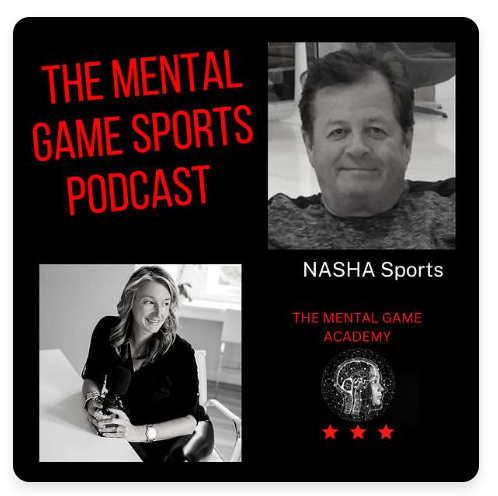
Larissa created “The Mental Game Academy” as a sports podcast to support athletes and raise awareness of the interpersonal skills that are much needed in sports today.
It takes a village to develop young athletes, parents, coaches, trainers, and even refs, and how they act around them and demonstrate emotions plays a key role in their social development and overall athletic success.
We are interviewing athletes, professional and amateur, coaches, refs, and parents who all want to see changes in sports to help our athletes prevent mental health issues before they happen.
Ultimately, athletes need emotional intelligence and resilience to further their careers, and time spent learning these skills will help them more in their athletic journeys. Working with NCAA, OHL, GOHL, NHL, and PWHL athletes and in all sports. Show More
THE MENTAL GAME – Sports Podcast
Mark Hetherman, Owner, The Hockey Resource
September 03, 2023•Larissa•Season 4•Episode 1Share
Use Left/Right to seek, Home/End to jump to start or end. Hold shift to jump forward or backward.0:00
Mark Hetherman speaks from his 40-plus years of experience.
Athletes who go the educational route have more advantages.
Learn why Nasha Sports partnered with MGA to equip athletes with their mental game and reduce their phone time to reach their next level. You can’t do it on phones.
Find out why this prep school and NCAA routes provide more realistic opportunities while providing your athlete with an education.
https://www.THEHOCKEYRESOURCE.com