
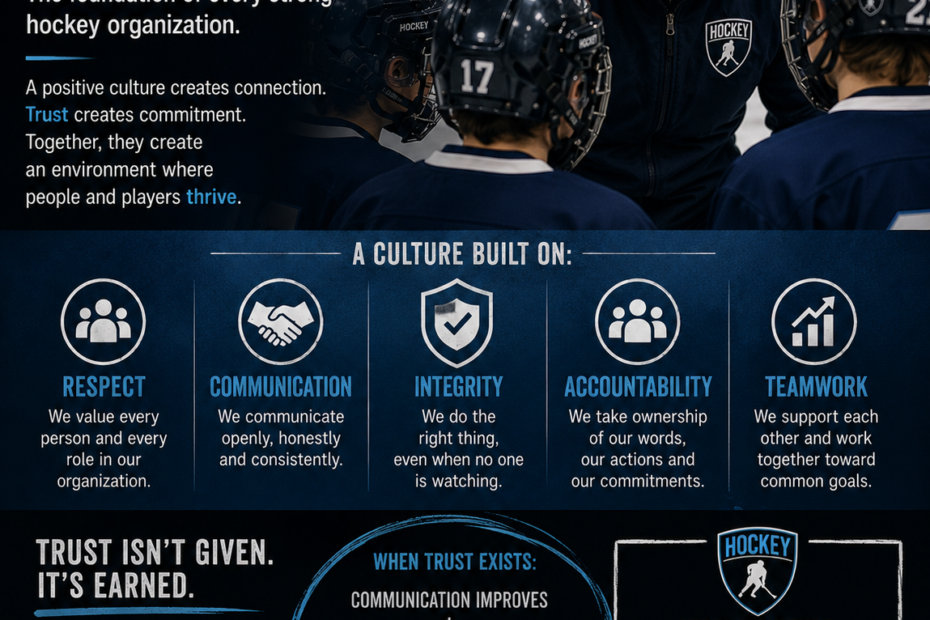
Trust is often discussed during difficult situations.
A controversial decision is made.
A conflict emerges.
An unexpected challenge appears.
Suddenly, leadership begins talking about the importance of trust.
The problem is that trust cannot be created in the middle of a crisis.
By the time an organization needs trust, it should already exist.
Just as successful teams prepare before important games, successful organizations invest in relationships long before they face significant challenges.
Trust Is Built in Ordinary Moments
Many leaders assume trust is earned through major accomplishments.
While achievements can certainly help, trust usually develops through much smaller interactions.
A phone call returned promptly.
concern handled respectfully.
commitment that is honored.
Clear communication during routine situations.
These moments may seem insignificant on their own. However, they gradually shape how people view the organization and its leadership.
Over time, consistency creates confidence.
Relationships Create Organizational Strength
Policies are important.
Procedures are important.
Strategic plans are important.
Yet relationships often determine how effectively an organization navigates challenges.
When positive relationships exist, people are more likely to communicate openly. Misunderstandings are easier to resolve, and disagreements are less likely to become major conflicts.
Consequently, organizations that invest in relationships often develop greater resilience.
Credibility Is Earned Through Consistency
People pay close attention to patterns.
One positive interaction is helpful.
A year of positive interactions is far more powerful.
Families notice whether communication remains consistent.
Volunteers observe whether leaders follow through on commitments.
Coaches evaluate whether expectations apply fairly across the organization.
As those experiences accumulate, credibility grows.
Trust rarely comes from a single event. Instead, it develops through repeated demonstrations of reliability and integrity.
Difficult Decisions Test Existing Trust
Every organization eventually faces situations where not everyone will be happy.
A policy change may create disagreement.
Team selections can generate disappointment.
Budget decisions sometimes produce competing opinions.
During these moments, people often evaluate leadership based on previous experiences.
Organizations that have invested in trust frequently receive greater patience and understanding. Members may disagree with the decision itself, but they remain confident in the intentions and professionalism behind it.
That confidence becomes extremely valuable when navigating difficult situations.
Transparency Strengthens Confidence
Uncertainty often creates anxiety.
When information is limited, people naturally begin searching for answers elsewhere.
Rumors fill gaps.
Assumptions replace facts.
Confusion spreads quickly.
Transparent communication helps prevent these problems.
Although every situation cannot be discussed publicly, organizations should communicate openly whenever possible. Clear explanations help members understand both the decision and the reasoning behind it.
As a result, trust becomes easier to maintain.
Small Breaches Can Have Lasting Effects
Building trust takes time.
Damaging trust can happen much faster.
Broken commitments.
Inconsistent decisions.
Poor communication.
A lack of accountability.
Each of these situations can weaken confidence if they occur repeatedly.
For that reason, leaders should treat trust as one of the organization’s most valuable assets. Protecting it requires attention, discipline, and consistency throughout every season.
Community Confidence Creates Opportunities
Families are more likely to stay involved when trust exists.
Volunteers often contribute more willingly when they have confidence in leadership.
Sponsors and community partners also pay attention to organizational credibility.
Consequently, trust influences far more than relationships.
It affects retention, engagement, growth, and long-term sustainability.
Organizations with strong reputations frequently enjoy advantages that are difficult for competitors to replicate.
Final Leadership Reality
Trust should never be viewed as something that appears automatically when challenges arise.
It must be developed intentionally through daily actions, consistent leadership, and meaningful relationships.
Strong organizations understand this principle.
Rather than waiting for a crisis, they invest in trust during ordinary moments. When difficult situations eventually occur, those investments often become one of their greatest strengths.
In the end, trust is not built when everything is going well.
Trust is built beforehand.
One-Line Truth:
Organizations that invest in trust before they need it are better prepared for every challenge that follows.
This article is part of the Foundations of Modern Hockey Leadership series.
About The Hockey Resource
The Hockey Resource exists to help players, parents, coaches, teams, leagues, tournaments, and hockey organizations make better decisions through education, leadership, and community-focused resources.
For additional hockey leadership articles, hockey parent resources, tournament information, and industry insights, visit:
The Hockey Resource – https://thehockeyresource.com
The Hockey Tournament Resource – https://thehockeytournamentresource.com
Mark Hetherman
Executive Director
The Hockey Resource
As always, thank you for being part of The Hockey Resource Community.
AMAZON Hockey
NEW Tournament Search APP
https://play.google.com/store/apps/details?id=com.hockeyresource.hockeytournamentapp&hl=en_CA&pli=1
NEW!!! The Hockey Moments Cards
GUMROAD – eBooks
https://thehockeyresource.gumroad.com
SEE My Interview with the Mental Health Academy
https://thehockeyresource.com/category/blog/hockey-career-starts-here
SEE My Interview on Podcast with Constant Sports
https://www.youtube.com/watch?v=_8VJUTfAGp