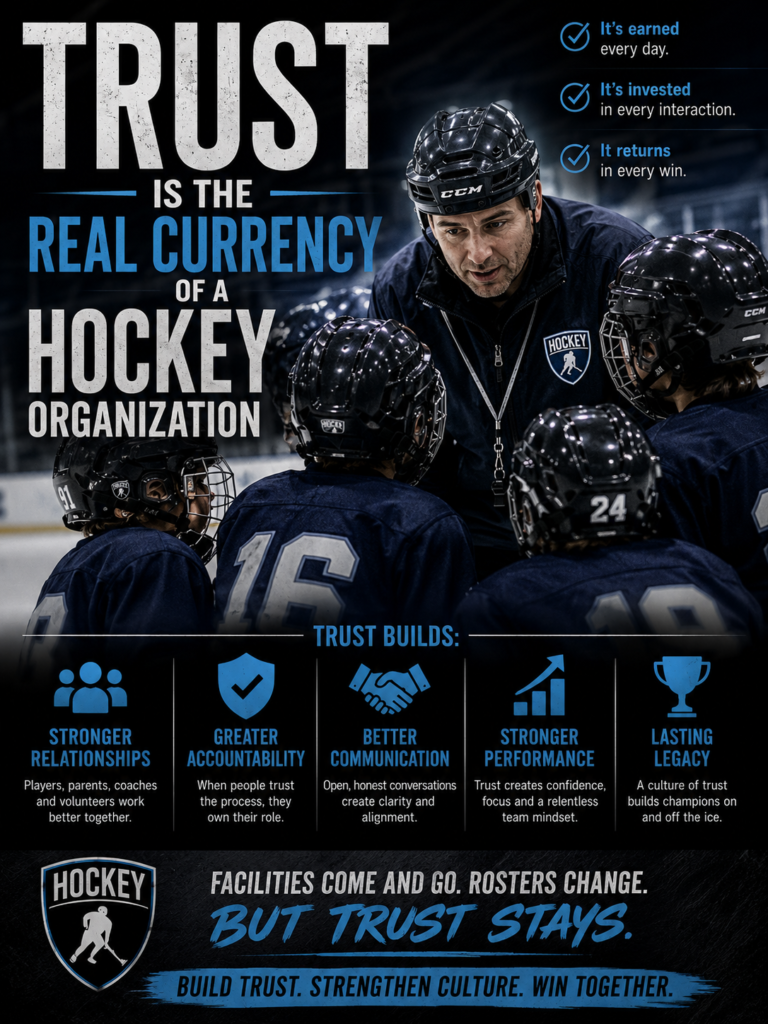
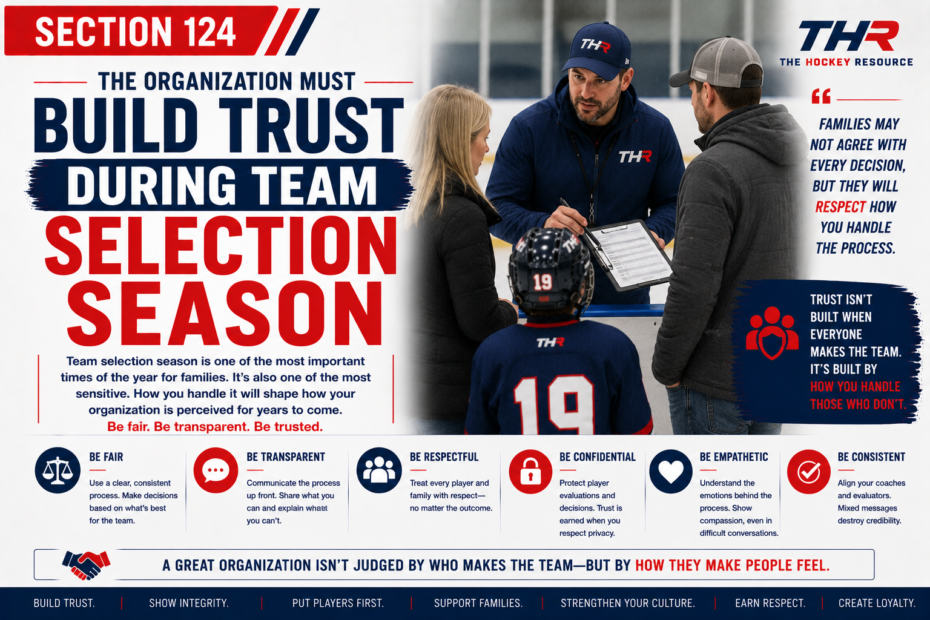
Most hockey organizations spend enormous energy protecting:
- budgets
- rosters
- ice schedules
- tournaments
- and operational systems
But many fail to recognize:
their most valuable long-term asset is actually:
trust.
Without trust:
- communication weakens
- culture fractures
- rumors grow
- conflict escalates
- volunteer retention drops
- and organizational stability declines
Strong organizations understand:
trust is not:
a soft concept.
Trust is:
organizational infrastructure.
Without it,
everything becomes harder.
WHAT TRUST ACTUALLY MEANS
Trust means:
people believe:
- leadership is honest
- standards are real
- communication is fair
- decisions are principled
- and the organization operates with integrity
Trust creates:
organizational stability.
Distrust creates:
emotional instability.
People do not need:
perfect outcomes to trust organizations.
But they DO need:
consistent honesty,
fairness,
and professionalism.
IN SIMPLE TERMS
People can survive disappointment.
What they struggle to survive is:
feeling manipulated,
ignored,
or emotionally misled.
THE BIGGEST TRUST FAILURE IN HOCKEY
Trust usually erodes slowly —
not suddenly.
Examples:
- inconsistent leadership
- unclear communication
- emotional decision-making
- favoritism
- hidden agendas
- broken promises
- gossip
- and leadership behavior that contradicts stated values
Eventually:
people stop believing:
what leadership says publicly.
That is:
organizational danger.
IMPORTANT REALITY
Trust is built slowly —
but can be damaged very quickly.
THE ROLE OF CONSISTENCY
Consistency builds trust.
Organizations create trust when:
- expectations remain stable
- communication remains professional
- accountability remains fair
- and standards apply consistently
Inconsistent organizations create:
confusion and suspicion.
People begin wondering:
- “What actually matters here?”
- “Do standards really apply equally?”
- “Does leadership mean what they say?”
Strong organizations reduce:
these doubts intentionally.
THE ROLE OF LEADERSHIP IN TRUST
Leadership behavior determines:
whether trust grows or weakens.
Strong leaders:
- communicate honestly
- admit mistakes
- remain emotionally stable
- and reinforce standards consistently
Weak leadership often:
- overpromises
- avoids difficult conversations
- reacts emotionally
- or behaves inconsistently during pressure
People trust:
behavior more than words.
IN SIMPLE TERMS
Leadership credibility comes from:
what leaders repeatedly DO —
not what they claim publicly.
THE ROLE OF TRANSPARENCY
Healthy transparency strengthens:
organizational trust.
Transparency does NOT mean:
sharing everything publicly.
It means:
people understand:
- process
- expectations
- standards
- and decision-making principles clearly
Confusing,
secretive,
or emotionally vague environments create:
speculation and distrust.
Strong organizations communicate:
clearly enough to reduce:
unnecessary suspicion.
IMPORTANT REALITY
When information is unclear,
people emotionally fill gaps with assumptions.
THE ROLE OF FAIRNESS
Perceived fairness strongly affects:
trust.
People can often accept:
difficult decisions
when they believe:
- process was fair
- communication was respectful
- and standards applied consistently
Distrust grows when:
people believe:
- politics influenced decisions
- relationships matter more than standards
- or accountability changes depending on influence
Strong organizations protect:
visible fairness intentionally.
THE ROLE OF COACHES IN TRUST
Coaches influence:
daily organizational trust enormously.
Players and families study:
- consistency
- communication
- emotional stability
- accountability
- and fairness constantly
Trust grows when:
players feel:
- respected
- understood
- challenged fairly
- and emotionally safe
Trust weakens when:
environments feel:
- unpredictable
- political
- humiliating
- or emotionally reactive
Coaches are:
trust-builders
or
trust-damagers every day.
IN SIMPLE TERMS
Players develop better inside environments where:
they trust the adults leading them.
THE DANGER OF BROKEN PROMISES
Trust weakens dramatically when:
organizations promise things emotionally they cannot realistically deliver.
Examples:
- unrealistic advancement messaging
- vague commitments
- emotional recruiting promises
- or inconsistent organizational messaging
Strong organizations communicate:
honestly and realistically.
False hope may temporarily reduce conflict —
but eventually damages:
organizational credibility.
THE ROLE OF PARENTS
Parents evaluate trust constantly through:
- communication quality
- leadership professionalism
- fairness
- emotional stability
- and organizational consistency
Parents do not expect:
perfect seasons.
But they DO expect:
honest leadership.
Organizations that consistently protect trust:
reduce:
- emotional escalation
- conflict
- and political tension dramatically.
IMPORTANT REALITY
Trust lowers:
organizational anxiety.
Distrust increases:
organizational emotion.
THE ROLE OF ACCOUNTABILITY
Trust requires:
real accountability.
People stop trusting organizations when:
unhealthy behavior goes repeatedly:
- ignored
- excused
- or politically protected
Strong organizations reinforce:
- standards
- consequences
- and professionalism consistently
Even when:
difficult conversations become uncomfortable.
Accountability protects:
organizational integrity.
THE ROLE OF EMOTIONAL STABILITY
Emotionally unstable leadership weakens:
trust quickly.
People struggle trusting:
leaders who are:
- reactive
- unpredictable
- defensive
- or emotionally volatile
Strong leadership creates:
calmness and predictability.
Emotional steadiness strengthens:
organizational confidence.
IN SIMPLE TERMS
People trust environments that feel:
stable,
fair,
and emotionally mature.
THE ROLE OF CONFIDENTIALITY
Trust also requires:
professional discretion.
Organizations damage trust when:
- private concerns become gossip
- confidential conversations spread informally
- or leadership discusses sensitive situations carelessly
Strong organizations protect:
confidentiality professionally.
People need confidence that:
leadership handles sensitive matters responsibly.
THE DANGER OF “TRUST EROSION BY SMALL MOMENTS”
Trust is rarely destroyed by:
one giant event.
Usually:
small repeated moments slowly weaken it.
Examples:
- missed communication
- inconsistent behavior
- emotional reactions
- ignored concerns
- unclear expectations
- or leadership contradiction
Strong organizations pay attention to:
small trust signals consistently.
IMPORTANT REALITY
People notice:
patterns more than isolated incidents.
THE ROLE OF CULTURE
Healthy cultures reinforce:
- honesty
- accountability
- professionalism
- communication
- and emotional consistency
Toxic cultures reinforce:
- politics
- fear
- gossip
- inconsistency
- and emotional instability
Culture determines:
whether trust grows naturally
or weakens constantly.
THE ROLE OF LONG-TERM THINKING
Strong organizations ask:
- Are we building long-term credibility?
- Do people trust leadership?
- Are standards believable?
- Does communication feel honest?
- Are relationships becoming stronger or weaker over time?
Trust must be:
maintained intentionally —
not assumed automatically.
IN SIMPLE TERMS
Organizations become stronger when:
people believe leadership genuinely means what it says.
THE MOST IMPORTANT TRUST QUESTION
Leadership should constantly ask:
“Would people inside this organization describe leadership as honest, fair, emotionally stable, and trustworthy?”
That question reveals:
organizational health immediately.
THE HARD TRUTH ABOUT TRUST IN HOCKEY
Many organizations unintentionally weaken trust through:
- inconsistency
- emotional leadership
- political behavior
- poor communication
- and lack of accountability
Not because:
leaders intended harm.
But because:
trust protection was never treated as:
a core organizational responsibility.
Strong organizations understand:
trust must be protected intentionally every day.
HOW STRONG ORGANIZATIONS BUILD TRUST
Strong organizations:
- communicate honestly
- reinforce standards consistently
- apply accountability fairly
- remain emotionally stable
- reduce politics
- and align behavior with organizational values
Over time:
people begin feeling:
“This organization operates with integrity.”
That becomes:
organizational strength,
retention,
and long-term credibility.
FINAL PRINCIPLE — TRUST IS ORGANIZATIONAL INFRASTRUCTURE
Strong hockey organizations understand:
trust is not:
a bonus feature of leadership.
Trust is:
one of the foundational systems that everything else depends on.
Because ultimately:
without trust:
- culture weakens
- communication deteriorates
- leadership loses credibility
- and organizational stability slowly collapses.
But when trust is protected intentionally:
organizations become:
- calmer
- stronger
- healthier
- more united
- and far more sustainable over time.
PRESENTED BY: thehockeyresource.com – thehockeytournamentresource.com – mark@thehockeyresource.com
CLICK LINK FOR AWESOME HOCKEY PRODUCTS – https://thehockeyresource.com/discount-hockey-products-amazon/
https://www.buzzsprout.com/1824112/episodes/13519482
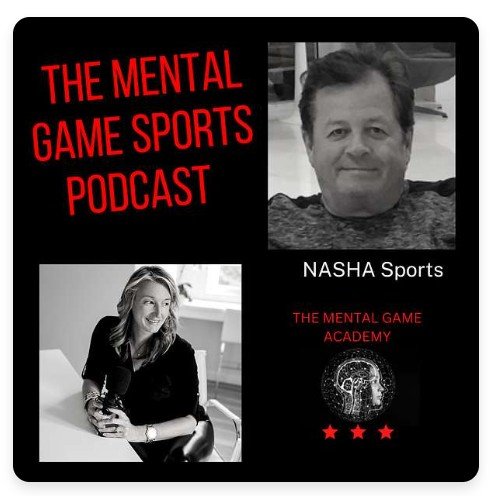
Larissa created “The Mental Game Academy” as a sports podcast to support athletes and raise awareness of the interpersonal skills that are much needed in sports today.
It takes a village to develop young athletes, parents, coaches, trainers, and even refs, and how they act around them and demonstrate emotions plays a key role in their social development and overall athletic success.
We are interviewing athletes, professional and amateur, coaches, refs, and parents who all want to see changes in sports to help our athletes prevent mental health issues before they happen.
Ultimately, athletes need emotional intelligence and resilience to further their careers, and time spent learning these skills will help them more in their athletic journeys. Working with NCAA, OHL, GOHL, NHL, and PWHL athletes and in all sports. Show More
THE MENTAL GAME – Sports Podcast
Mark Hetherman, Owner, The Hockey Resource
September 03, 2023•Larissa•Season 4•Episode 1Share
Use Left/Right to seek, Home/End to jump to start or end. Hold shift to jump forward or backward.0:00
Mark Hetherman speaks from his 40-plus years of experience.
Athletes who go the educational route have more advantages.
Learn why Nasha Sports partnered with MGA to equip athletes with their mental game and reduce their phone time to reach their next level. You can’t do it on phones.
Find out why this prep school and NCAA routes provide more realistic opportunities while providing your athlete with an education.
https://www.THEHOCKEYRESOURCE.com
As always, thank you for being part of The Hockey Resource Community.
AMAZON Hockey
NEW Tournament Search APP
https://play.google.com/store/apps/details?id=com.hockeyresource.hockeytournamentapp&hl=en_CA&pli=1
NEW!!! The Hockey Moments Cards
GUMROAD – eBooks
https://thehockeyresource.gumroad.com
SEE My Interview with the Mental Health Academy
https://thehockeyresource.com/category/blog/hockey-career-starts-here
SEE My Interview on Podcast with Constant Sports
https://www.youtube.com/watch?v=_8VJUTfAGp