
Many Hockey organizations spend considerable time recruiting players.
Marketing campaigns are developed.
Registration drives are launched.
Community awareness initiatives are created.
Meanwhile, volunteer recruitment often receives attention only when a vacancy appears.
That approach creates unnecessary pressure.
When organizations wait until help is urgently needed, the available pool of candidates is usually much smaller than it could have been.
Strong organizations understand that volunteer recruitment is not a seasonal activity. It is an ongoing leadership responsibility that requires attention throughout the year.
Great Volunteers Rarely Appear by Accident
Every successful hockey organization has people who consistently make a difference.
Some coach teams.
Others organize tournaments.
Many contribute quietly behind the scenes.
Although these individuals may seem irreplaceable, most did not begin their involvement in major leadership roles.
Typically, their journey started with a small opportunity to contribute.
A simple request.
A manageable project.
A short-term commitment.
Those early experiences often become the foundation for deeper involvement later.
Consequently, organizations should focus on creating entry points that make volunteering feel accessible rather than overwhelming.
People Are More Likely to Help When They Feel Welcome
Many volunteers are willing to contribute.
What often prevents involvement is uncertainty.
Some people are unsure whether help is needed.
Others worry they lack experience.
A number of potential volunteers simply do not know where to begin.
For that reason, organizations should communicate opportunities clearly and regularly.
When expectations are explained and support is available, participation tends to increase.
Creating a welcoming environment can often be more effective than launching a major recruitment campaign.
Recruitment Becomes Easier When the Experience Is Positive
One of the most effective recruiting tools is a satisfied volunteer.
People who enjoy their experience frequently encourage others to become involved.
Positive stories spread.
Recommendations carry credibility.
New volunteers often feel more comfortable participating when someone they trust shares a positive perspective.
As a result, organizations should view volunteer retention and volunteer recruitment as closely connected priorities.
A healthy volunteer culture naturally attracts additional support.
Small Roles Can Lead to Larger Contributions
Not everyone is ready to chair a committee or join a board.
That is perfectly normal.
Many future leaders begin with smaller responsibilities.
Helping at an event.
Assisting with registration.
Supporting a fundraising initiative.
Participating on a short-term project team.
These opportunities allow individuals to gain confidence while learning more about the organization.
Over time, some of those volunteers become leaders who make significant contributions.
Leadership Pipelines Do Not Build Themselves
Organizations often discuss succession planning after a key volunteer leaves.
A more effective strategy is to develop future leaders continuously.
Every volunteer interaction represents a potential leadership opportunity.
Someone helping today may become a committee chair next season.
A committee member may eventually become a board director.
The volunteer managing a small project today may become the organization’s president in the future.
Recognizing that potential helps leaders approach recruitment with a longer-term perspective.
Recognition Supports Recruitment
People are more likely to volunteer when they see others being appreciated.
Recognition reinforces the message that contributions matter.
It also demonstrates that leadership values the time and effort volunteers provide.
While appreciation should be genuine rather than performative, organizations that celebrate contributions often create stronger volunteer cultures.
Those cultures become attractive to prospective volunteers.
Looking Beyond Immediate Needs
Recruitment efforts frequently focus on filling current vacancies.
Although those positions deserve attention, leaders should also consider future needs.
What skills will the organization require in three years?
Which roles are likely to experience turnover?
Where might future leadership gaps emerge?
Thinking ahead allows organizations to prepare rather than react.
That preparation often creates smoother transitions and stronger long-term stability.
Final Leadership Reality
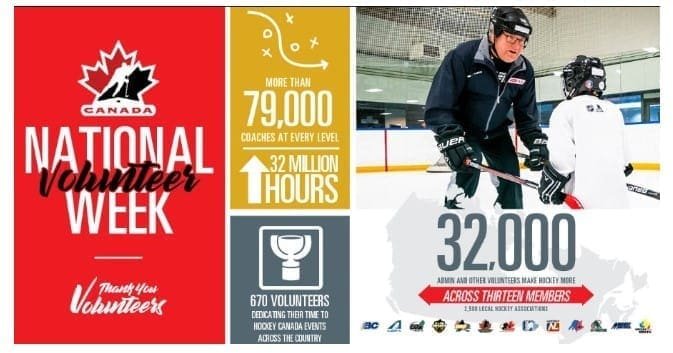
Volunteers are the lifeblood of most hockey organizations.
Without their time, energy, and commitment, many programs simply would not exist.
Because volunteers are so important, recruitment should never become an afterthought.
Strong organizations create welcoming environments, develop future leaders, and provide meaningful opportunities for involvement throughout the year.
In the long run, a steady stream of engaged volunteers becomes one of the organization’s greatest competitive advantages.
One-Line Truth:
The best time to recruit tomorrow’s volunteers is long before you need them.
This article is part of the Foundations of Modern Hockey Leadership series.
About The Hockey Resource
The Hockey Resource exists to help players, parents, coaches, teams, leagues, tournaments, and hockey organizations make better decisions through education, leadership, and community-focused resources.
For additional hockey leadership articles, hockey parent resources, tournament information, and industry insights, visit:
The Hockey Resource – https://thehockeyresource.com
The Hockey Tournament Resource – https://thehockeytournamentresource.com
Mark Hetherman
Executive Director
The Hockey Resource
As always, thank you for being part of The Hockey Resource Community.
AMAZON Hockey
NEW Tournament Search APP
https://play.google.com/store/apps/details?id=com.hockeyresource.hockeytournamentapp&hl=en_CA&pli=1
NEW!!! The Hockey Moments Cards
GUMROAD – eBooks
https://thehockeyresource.gumroad.com
SEE My Interview with the Mental Health Academy
https://thehockeyresource.com/category/blog/hockey-career-starts-here
SEE My Interview on Podcast with Constant Sports
https://www.youtube.com/watch?v=_8VJUTfAGp